Nutrition & Wellness Education
Welcome to Universal Policy Center
Your Guide to Nutrition, Healthy Food, and Everyday Wellness
Welcome to Universal Policy Center, an informational resource dedicated to nutrition awareness, healthy eating habits, food education, and general wellness.
Food and nutrition play an important role in everyday life. Understanding different food groups, essential nutrients, hydration, and balanced eating habits can help individuals make informed decisions about their daily routines.

Introduction
Understanding Nutrition
Nutrition describes how the body obtains and uses nutrients from food. Including a variety of foods helps provide the different nutrients that support normal growth, energy needs, and everyday bodily functions.
Individual nutritional needs can vary by age, activity level, health status, and other personal factors.
What We Cover
Explore Our Topics

Hydration
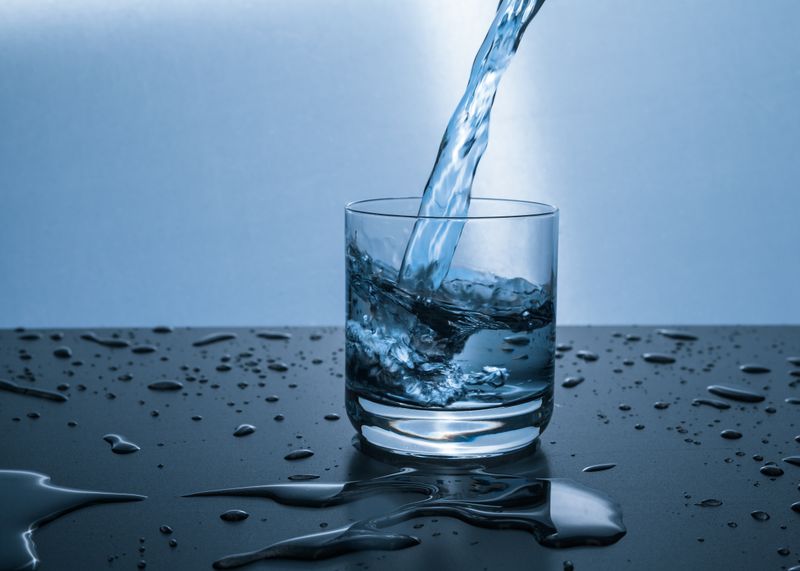
Learn about the importance of water and maintaining healthy hydration habits.
Learn More →
Family Nutrition
Discover general information about food needs across different age groups.
Learn More →
Food Safety
Understand food storage, hygiene, preparation, and safe handling practices.
Learn More →
Featured
Healthy Eating for Everyday Life
Healthy eating does not have to be complicated. Simple habits, such as including a variety of foods, eating regular balanced meals, drinking sufficient water, and paying attention to hunger and fullness cues, can support a more mindful approach to food.
There is no single eating pattern that works for everyone. Cultural traditions, food availability, personal preferences, and individual nutritional requirements all influence dietary choices.

Nutrition Basics
Understanding Essential Nutrients
The body requires different nutrients to support normal growth, energy needs, and everyday functions. These nutrients are commonly divided into macronutrients and micronutrients.
Macronutrients
- Carbohydrates: Provide energy for daily activities.
- Protein: Supports the growth and maintenance of body tissues.
- Fats: Help with energy storage, cell function, and the absorption of certain vitamins.
Micronutrients
- Vitamins: Support various processes involved in normal body functioning.
- Minerals: Contribute to functions such as bone development, fluid balance, and oxygen transport.
Everyday Habits
Healthy Food Habits
Building Balanced Meals
Balanced meals generally include a variety of food groups in suitable proportions. Meal composition depends on personal needs, cultural preferences, food availability, and individual dietary requirements.
Mindful Eating
Mindful eating involves paying attention to hunger, fullness, food preferences, and the experience of eating.
Understanding Food Labels
Food labels provide information about ingredients, serving sizes, energy content, nutrients, and other product characteristics.

Family Nutrition
Nutrition Across Different Life Stages
Nutritional requirements change across different stages of life, and individual nutritional needs vary from person to person.
Nutrition for Children
Children's food needs change as they grow. Specific concerns about growth or feeding should be discussed with qualified healthcare professionals.
Nutrition for Adults
Adult nutritional needs can vary by age, activity level, health status, and other personal factors.
Nutrition for Older Adults
Nutritional needs may change later in life, and individual requirements differ.
Individual nutritional needs vary. Specific concerns should be discussed with qualified healthcare professionals.

Food Safety
Food Safety and Storage
Food safety involves how food is stored, prepared, and handled. Common food safety practices include:
✓
Washing hands before preparing food.
✓
Cleaning food preparation surfaces and utensils.
✓
Separating raw foods from ready-to-eat foods.
✓
Cooking foods thoroughly where appropriate.
✓
Refrigerating perishable foods promptly.
✓
Following suitable storage and handling instructions.
Resources
Featured Educational Topics
Educational articles are being prepared on the following topics. In the meantime, each topic links to the related guide on this website.

Upcoming article
The Basics of Balanced Nutrition
An introduction to food groups, essential nutrients, and balanced eating habits.
Read the topic guide →
Upcoming article
Understanding Macronutrients and Micronutrients
How carbohydrates, protein, fats, vitamins, and minerals support normal body functions.
Read the topic guide → Upcoming article
Everyday Food Safety Practices
Food storage, hygiene, preparation, and safe handling practices.
Read the topic guide →Get in Touch
Have a Question About Our Educational Content?
Have a general question about our educational content or website? We welcome feedback and inquiries about the information published on Universal Policy Center.