Nutrition
Nutrition and Health
Understanding different food groups, essential nutrients, hydration, and balanced eating habits can help individuals make informed decisions about their daily routines.
Understanding Essential Nutrients
The body requires different nutrients to support normal growth, energy needs, and everyday functions. These nutrients are commonly divided into macronutrients and micronutrients.
Macronutrients
- Carbohydrates: Provide energy for daily activities.
- Protein: Supports the growth and maintenance of body tissues.
- Fats: Help with energy storage, cell function, and the absorption of certain vitamins.
Micronutrients
- Vitamins: Support various processes involved in normal body functioning.
- Minerals: Contribute to functions such as bone development, fluid balance, and oxygen transport.

The Importance of Fruits and Vegetables
Fruits and vegetables come in many colours, textures, and flavours. Including a variety of them is one way to add different vitamins, minerals, and dietary fibre to everyday meals.
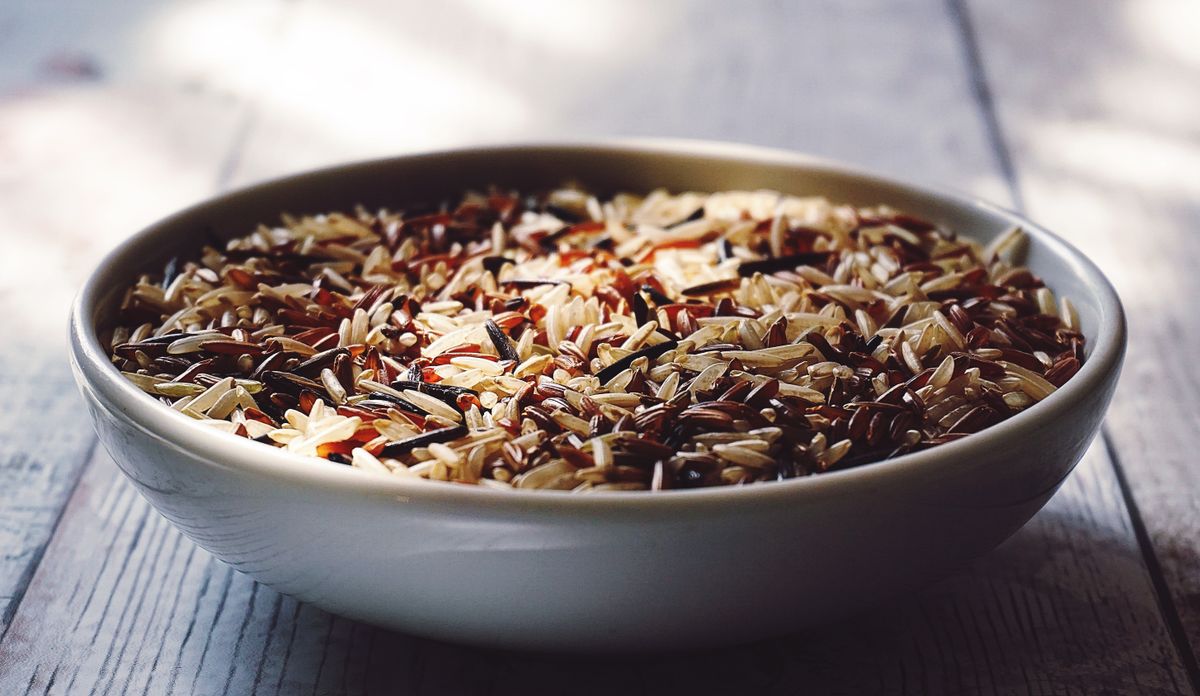
Whole Grains and Dietary Fibre
Whole grains, such as brown rice, oats, and whole-wheat products, keep more parts of the grain than refined grains. Dietary fibre is found in foods such as whole grains, fruits, vegetables, and legumes.

Protein and Everyday Nutrition
Protein supports the growth and maintenance of body tissues. It is found in a range of animal and plant foods, such as eggs, dairy products, fish, meat, beans, lentils, nuts, and seeds.

Hydration and Daily Wellness
Water is involved in many everyday body functions. Fluid needs vary from person to person and can depend on factors such as activity level and climate.
Please note: This information is for general educational purposes and is not a substitute for professional medical advice, diagnosis, or treatment. Nutritional needs vary among individuals; please consult qualified healthcare professionals or registered dietitians for advice concerning personal health concerns, dietary restrictions, or nutritional requirements.