Food labels can look confusing at first, with small print, long lists and many unfamiliar words. The good news is that you only need a few simple habits to read them with confidence. This guide walks you through the main parts of a label so you can make choices that suit you and your family.
Why Food Labels Are Worth Reading
A food label is like a short story about what is inside the package. It tells you what the food is made of, how much is in a serving and what to know before you eat it. Reading labels does not mean you must avoid certain foods or count everything. It simply helps you understand what you are buying.
Labels are also useful for comparing two similar products. When you stand in the shop and wonder which one to pick, the label gives you facts instead of guesses. Over time, the habit becomes quick and easy.
- Labels help you know what you are eating.
- They make it easier to compare similar foods.
- They help you spot ingredients you want to avoid for personal reasons.
- They show how long a food is meant to be kept.
Start With the Ingredients List
The ingredients list is often the most helpful part of the label. Ingredients are usually listed from the largest amount to the smallest amount. This means the first few items make up most of the food.
A short list of ingredients you recognise is often a sign of a simple food. A longer list is not always bad, but it can be a reminder to look a little closer. For example, if a breakfast cereal lists a sweet ingredient near the top, you know that sweetness is a big part of the product.
Here are a few things to look for when reading the list:
- Which ingredients come first, because they are the main parts of the food.
- Whole foods such as grains, vegetables, fruit, beans or nuts.
- Different names for sweeteners, which may appear more than once.
- Ingredients that you or your family prefer to avoid.
Understand the Nutrition Panel
The nutrition panel, often shown as a table, gives details about the nutrients in the food. It usually includes energy, fats, carbohydrates, sugars, protein and salt. These details are normally shown for a set amount of food, such as a serving or a standard portion.
The most important step is to check which amount the numbers refer to. Many people read the panel and forget that the package may contain more than one serving. If you eat the whole package, you are eating everything the panel describes, multiplied by the number of servings inside.
When you compare two products, use the same basis for both. Many labels show a column for a standard portion, which makes comparing easier. Look at the overall picture rather than one single number. A food can be higher in one area and still be a good fit for your meal, depending on what else you eat that day.
Look for Helpful Front-of-Pack Information
The front of a package is designed to catch your eye. Words such as “natural”, “light” or “wholesome” can sound reassuring, but they do not always tell the full story. The best approach is to treat the front as a starting point and then turn the package over to check the facts.
Some products also show colour-coded or simple symbols that give a quick idea of the nutrients inside. These can be a handy shortcut when you are in a hurry. Still, it is a good idea to compare them with the ingredients list and the nutrition panel.
- Read the front to see what the product claims to be.
- Turn it over and read the ingredients list.
- Check the nutrition panel and the serving size.
- Decide whether the food fits your plans for the meal.
Check Dates, Storage and Allergy Information
Labels also contain details that help you keep food safe and enjoyable. Dates on packages usually tell you either when a food is at its best quality or when it should be used by. These two types of dates have different meanings, so it helps to read the wording carefully.
Storage instructions are just as important. Some foods need to be kept in the fridge, while others should be stored in a cool, dry place. After opening a package, the label may suggest how long you can keep the food and how to store it.
Allergy information is usually shown clearly, often in bold type or in a separate statement. If you or someone in your family has a food allergy or a special dietary need, always read this part carefully every time you buy, because recipes can change. For personal health needs, please speak with a doctor or registered dietitian.
Build an Easy Label-Reading Habit
You do not need to read every label in the shop. A simple routine works well. Choose a few foods you buy often, such as bread, yoghurt, sauces, snacks or breakfast foods, and take a moment to read their labels. Once you know which products you like, you can buy them again with confidence.
Here are some friendly tips to make the habit stick:
- Pick one new product each shopping trip and read its label.
- Compare two similar items side by side.
- Take your time at home if the shop feels too busy.
- Involve children by letting them find the ingredients list or the date.
- Remember that no single label tells you everything about a healthy diet.
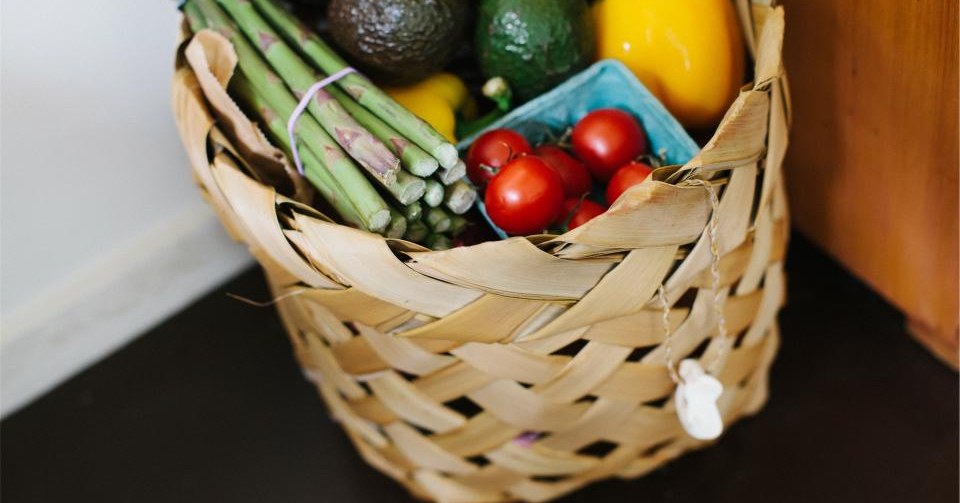
Labels are only one tool. A balanced way of eating includes a variety of fruit, vegetables, whole grains, protein foods and healthy fats, and many of these foods do not come with a label at all. Fresh produce, for instance, speaks for itself.
Conclusion
Reading a food label becomes easier each time you do it. Start with the ingredients, check the serving size in the nutrition panel, use the front of the pack as a hint rather than a promise, and look at dates, storage and allergy details. These small steps help you shop with more confidence and enjoy meals with your family.
Remember that food choices are personal, and there is no need to be perfect. A little curiosity and a few minutes in the shop can go a long way toward building habits you feel good about.
This article is for general educational purposes only and is not a substitute for professional medical advice. Please consult a doctor or registered dietitian for advice about your own health and nutrition needs.