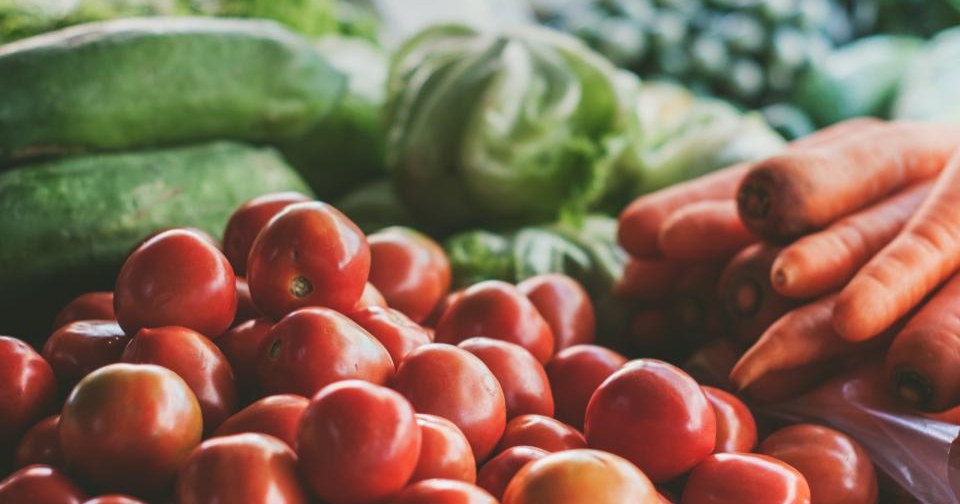
Many of us would like to eat more vegetables, but busy days and tired taste buds can get in the way. The good news is that you do not need a big food overhaul. Small, repeatable changes in how you shop, cook and serve can make vegetables a natural part of every meal.
This guide shares simple, practical ideas that suit most households. Pick one or two to try this week and build from there.
Start With Vegetables You Already Enjoy
The easiest way to eat more vegetables is to begin with the ones you already like. If you enjoy carrots, put them on the table more often. If tomatoes are a favourite, add them to more meals. Success feels good, and it makes it easier to try something new later.
It also helps to think about how you like vegetables. Some people love them crunchy and raw. Others prefer them soft, roasted or blended into a sauce. Knowing your preference helps you choose the right method for each meal.
- Write down five vegetables you are happy to eat.
- Keep at least two of them in your kitchen at all times.
- Add one new vegetable each week, and treat it as a small experiment.
Make Shopping and Storage Work for You
Vegetables only help if they get eaten. A little planning at the shop and at home makes a big difference.
Try to buy a mix of fresh, frozen and canned vegetables. Fresh vegetables are lovely, but frozen and canned options last longer and can save a busy evening. Check the label on canned and packaged products so you know what else is in them.
At home, keep vegetables where you can see them. A bowl of ready-to-eat tomatoes or a container of washed, sliced cucumber on an easy-to-reach shelf invites snacking. Vegetables hidden at the back of a drawer are often forgotten.
- Wash and chop vegetables soon after shopping, if you will use them within a few days.
- Store cut vegetables in clean, covered containers in the fridge.
- Plan which vegetables to eat first, and use the more delicate ones early in the week.
- Rotate older items to the front when you unpack your groceries.
Add Vegetables to the Meals You Already Make
You do not have to cook new recipes to eat more vegetables. Often, the simplest approach is to add them to meals you already know well.
- Stir spinach or chopped peppers into pasta sauce, soups and stews.
- Add grated carrot or courgette to meatballs, burgers or savoury muffins.
- Top a sandwich or wrap with lettuce, cucumber and sliced tomato.
- Mix peas, sweetcorn or beans into rice dishes.
- Put a handful of vegetables into scrambled eggs or an omelette.
Breakfast is often overlooked. Sliced tomato on toast, or vegetables folded into eggs, is an easy way to start the day with a little extra colour.
Try Easy Cooking Methods
How you cook a vegetable can change how it tastes. If you have ever disliked a vegetable, it may simply have been cooked in a way that did not suit it.
Roasting is popular because it brings out a gentle sweetness. Toss chopped vegetables with a little oil, spread them on a tray and cook until golden. Steaming keeps vegetables bright and tender. Stir-frying is quick and works well for a weeknight dinner. Raw vegetables, served with a simple dip, make a fun snack or starter.
Seasoning helps too. Herbs, garlic, lemon juice and a pinch of spice can make vegetables far more appealing. Try a few combinations and see what your household likes best.
Plan Vegetables Into Your Week
A little planning removes the daily question of what to cook. When you write your weekly menu, choose a vegetable for each dinner first, then build the rest of the meal around it. This keeps vegetables at the centre of the plate instead of an afterthought.
Cooking a larger batch of roasted or steamed vegetables once or twice a week can also save time. You can reheat them, add them to salads, or fold them into wraps. Always cool leftovers promptly, store them in covered containers in the fridge, and eat them within a sensible time.
Make Vegetables Fun for the Whole Family
If you cook for children or a fussy eater, patience is important. Many people need to see a food several times before they accept it, so do not give up after one refusal.
- Let children help wash, peel or stir. People are more likely to try food they helped make.
- Serve a colourful plate with a few different vegetables to choose from.
- Offer vegetables as a first course while everyone is hungry.
- Eat vegetables yourself, in front of the family. Children notice what adults enjoy.
- Keep mealtimes relaxed, without pressure or bribes.
If you have concerns about a child’s eating, allergies or special dietary needs, please speak with a doctor or registered dietitian for personal guidance.
Build a Habit That Lasts
Habits grow from small steps. Rather than promising to change everything at once, choose one simple goal. It might be adding a vegetable to your lunch, or keeping a bowl of chopped vegetables ready in the fridge on Sundays.
Link the new habit to something you already do. For example, when you put the kettle on in the evening, wash and slice a vegetable for the next day. Over time, the action becomes automatic.
It is also fine to have days when things do not go to plan. A busy week does not undo your efforts. Simply return to your routine at the next meal.
Conclusion
Eating more vegetables does not need to be complicated. Start with the ones you like, keep them easy to reach, add them to familiar meals and try gentle cooking methods. Involve your family, take your time, and let small changes build into everyday habits.
Choose one idea from this article and try it today. A single extra portion of colour on your plate is a good place to start.
This article is for general educational purposes only and is not a substitute for professional medical advice. Please consult a doctor or registered dietitian for advice about your own health and nutrition needs.