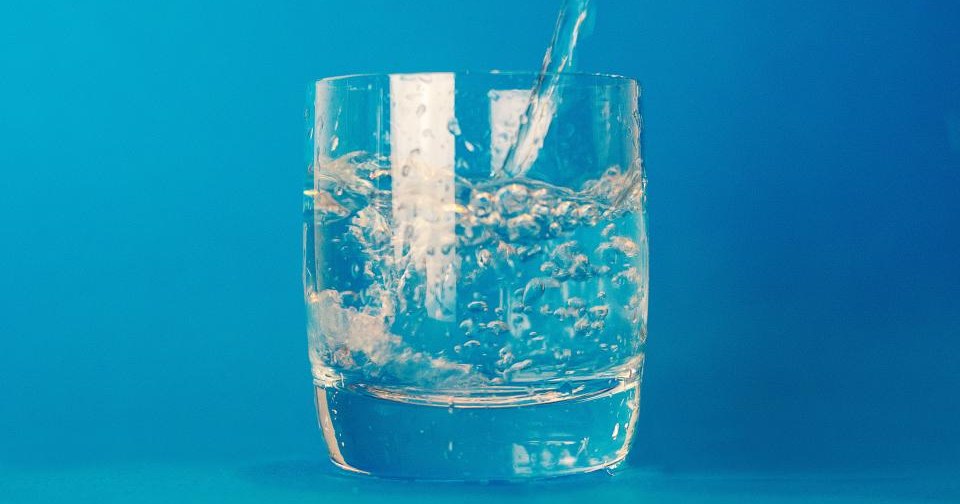
Water is part of almost everything we do, yet many of us forget to drink it until we feel thirsty or tired. The good news is that you do not need a complicated plan. Small, repeatable habits can make plain water an easy part of your day.
This guide shares simple, practical ideas for building a steady water habit at home, at work and on the go.
Why Water Is Part of Everyday Wellness
Water is the main drink our bodies rely on throughout the day. We lose fluid through normal daily activity, so it makes sense to replace it regularly. Water is also a simple choice because it is easy to find and works well with any meal.
Many people notice that they feel better when they drink regularly rather than all at once. Spreading drinks out across the day is usually easier and more comfortable than trying to catch up in the evening.
Everyone is different. Your needs can change with the weather, your activity level, your age and your personal circumstances. If you are unsure how much fluid is right for you, a doctor or registered dietitian can give advice that fits your situation.
Start the Day with a Glass
Morning is one of the easiest times to build a habit. After a night without drinking, a glass of water is a gentle way to begin the day.
Here are some ways to make it stick:
- Place a glass or bottle next to the kettle, coffee machine or bathroom sink the night before.
- Link it to something you already do, such as brushing your teeth or opening the curtains.
- Drink it before you check your phone, so it becomes the first small win of the day.
Linking a new habit to an old one is a well-known way to remember it. Over time, the two actions begin to feel like one routine.
Make Water Easy to Reach
We usually drink what is close to us. If water is hard to find, we tend to forget about it. If it is right in front of us, we sip without thinking.
- Keep a bottle in view. Put a reusable bottle on your desk, kitchen counter or table where you can see it.
- Carry it with you. Keep a bottle in your bag or car so you are never without a drink.
- Use a jug at home. Fill a jug in the morning and keep it on the table or in the fridge as a reminder.
- Choose a bottle you like. A bottle that is comfortable to hold and easy to clean is more likely to be used.
Wash your bottle and jug regularly with warm soapy water so that every sip tastes fresh and clean.
Use Reminders and Routines
Busy days make it easy to forget to drink. A few gentle reminders can help without becoming a chore.
- Pair water with meals. Have a glass with breakfast, lunch and dinner. Meals happen every day, so they are reliable anchors.
- Drink when you take a break. A short pause at work, school or home is a good moment for a few sips.
- Set a simple alarm. A quiet reminder on your phone can be helpful while you are building the habit.
- Try a visual cue. A sticky note on the fridge or a rubber band on your bottle can remind you to take a drink.
- Finish a bottle by a set point. You might aim to finish one bottle by lunchtime and refill it for the afternoon.
You do not need to be perfect. If you forget some days, simply start again the next day. A relaxed approach is easier to keep up than a strict one.
Add Gentle Flavour Without Fuss
Some people find plain water a little boring. If that sounds like you, there are simple ways to make it more appealing without relying on sugary drinks.
- Add slices of cucumber, lemon, orange or lime to a jug.
- Drop in a few berries or a sprig of mint.
- Try serving water very cold, or at room temperature, whichever you prefer.
- Enjoy a cup of plain herbal tea or fruit-infused water as part of your day.
Fresh fruit and herbs give a light taste, and you can change the combination each day to keep things interesting. Remember to wash fruit and herbs before using them, and store any infused water in the fridge and drink it within a short time.
Water-rich foods also play a small part in everyday fluid intake. Fruits such as melon and oranges, and vegetables such as cucumber and tomatoes, are refreshing and make a tasty addition to meals and snacks.
Helping Children and Families Drink Water
Children often copy what adults do. If they see you reaching for water, they are more likely to do the same. Making water a normal part of family life is a friendly way to build habits that can last.
- Let children choose their own water bottle, and help them decorate it.
- Put a jug of water on the table at family meals.
- Pack a bottle in the school bag and sports bag.
- Offer water first when children say they are hungry or thirsty between meals.
- Make it fun with a simple family game, such as taking a drink together after a walk or play.
Young children, older adults, pregnant women and people with medical conditions can have different fluid needs. If you are unsure about the needs of a family member, please check with a doctor or registered dietitian.
Listen to Your Body and Your Day
There is no single routine that suits everyone. Hot weather, busy days and time spent being active may mean you want to drink more often. Cooler, quieter days may mean you drink less.
Pay attention to how you feel and to the signals your body gives you. Thirst is a normal signal, and it is fine to respond to it. Try not to wait too long between drinks, especially on busy or active days.
It also helps to notice the habits that work for you. Perhaps you drink more at your desk, or you prefer a warm drink in the evening. Build around what you enjoy, because enjoyable habits are the ones that last.
If you often feel unwell, very tired or unusually thirsty, speak with a doctor. Questions about your own health are best answered by a professional who knows your situation.
Conclusion
Drinking water regularly does not need to be difficult. Start with one small step, such as a glass in the morning or a bottle on your desk. Keep water within reach, use simple reminders, add a little natural flavour if you like, and let the whole family join in.
Be patient and kind with yourself as the habit grows. Small, steady changes tend to work better than big ones, and each glass is a simple act of everyday care.
This article is for general educational purposes only and is not a substitute for professional medical advice. Please consult a doctor or registered dietitian for advice about your own health and nutrition needs.