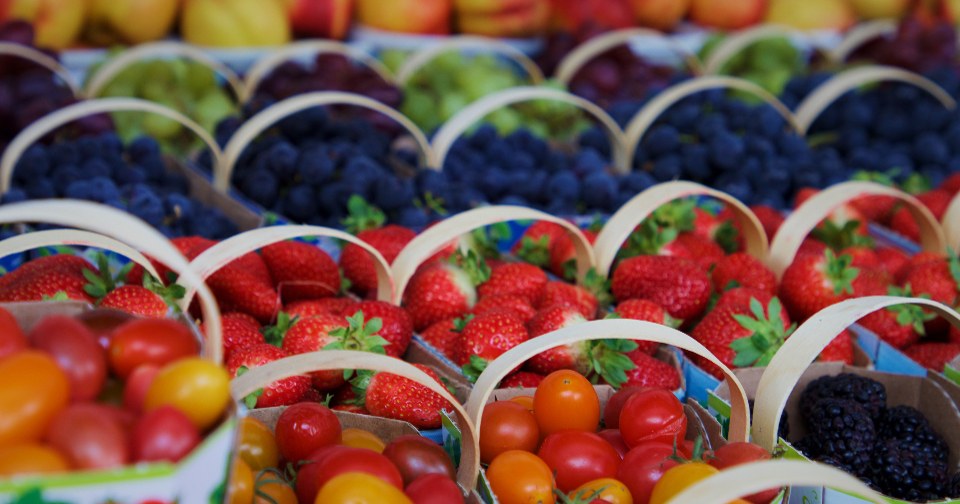
Fresh fruit and vegetables are a tasty part of everyday meals, but they need a little care before they reach your plate. Washing them well is a simple kitchen habit that anyone can learn.
This guide explains easy, practical steps for washing and handling produce at home, so your family can enjoy it with confidence.
Why Washing Produce Matters
Fruit and vegetables grow outdoors, so they travel through soil, water, hands, crates and shop shelves before they reach your kitchen. Along the way they can pick up dirt and tiny germs that you cannot see.
Washing does not make fresh produce risky to eat. It simply removes much of the surface dirt and helps lower the chance of germs spreading around your kitchen. Eating plenty of fruit and vegetables is widely encouraged, and a few simple habits make it safer and more pleasant.
It also helps to remember that washing is only one step. Clean hands, clean tools and good storage all work together.
Think of it as a short routine rather than a chore. Once you have a pattern that suits your kitchen, it takes only a minute or two, and it becomes second nature after a few weeks.
Start With Clean Hands and a Clean Space
Before you touch any produce, wash your hands with soap and clean water and dry them with a clean towel. This keeps germs on your hands from reaching your food.
Next, look at your surroundings. A few quick checks can make a big difference:
- Wipe down the counter or chopping board you plan to use.
- Rinse the sink so it is free of old food and dirty dishes.
- Use a clean knife and a clean board for fresh produce.
- Keep raw meat, poultry and fish well away from your fruit and vegetables.
Keeping raw animal foods separate is one of the best ways to avoid cross-contamination. If possible, use one board for raw meat and a different one for produce.
How to Wash Different Types of Produce
The best method depends on the shape and skin of the food. In general, plain running water from the tap is the simple and reliable choice.
Firm items such as apples, carrots and potatoes. Hold them under running water and rub the surface with your hands. A clean vegetable brush can help with items that have thick skins or dirt stuck on them.
Leafy greens such as lettuce and spinach. Remove any damaged or very dirty outer leaves. Then rinse the rest under running water, or swish the leaves in a clean bowl of fresh water and lift them out so the dirt stays behind. Repeat if the water looks cloudy.
Soft fruit such as berries and grapes. Rinse them gently just before eating, rather than when you bring them home. Washing early can make soft fruit go mushy faster.
Melons, pumpkins and other thick-skinned fruit. Wash the outside before cutting. When a knife passes through the skin, it can carry anything on the surface into the flesh.
What You Do Not Need
Many people wonder if they should use soap, bleach or special produce washes. In general, you do not need them. Soap and household cleaners are not made to be eaten, and they can leave residue behind on food.
Clean running water and a little gentle rubbing are enough for most everyday cooking. Even produce with a peel you will not eat, like bananas or oranges, is worth a quick rinse. Your hands and knife touch the peel first, and then touch the part you eat.
If a package says the produce is already washed and ready to eat, follow the instructions on the label. Usually that means it can be used straight from the bag.
Dry, Store and Prepare With Care
After washing, pat the produce dry with a clean cloth or paper towel. Drying helps remove more dirt and keeps leaves from turning slimy in the fridge.
Good storage habits protect the food you have just cleaned:
- Store cut or peeled produce in clean, covered containers in the fridge.
- Keep fruit and vegetables on a shelf above raw meat so nothing drips onto them.
- Wash the cloths and towels you use for kitchen work often.
- Throw away anything that looks mouldy, smells unpleasant or feels slimy.
Unwashed produce can usually be stored as it is, then washed just before you use it. This helps it stay fresh for longer.
Do not forget the tools and surfaces you used. Wash your chopping board, knife and brush with hot soapy water when you finish, and let them dry fully. A tidy kitchen makes the next meal easier and safer to prepare.
If you shop for produce at a market or store, put it in clean bags and carry it home promptly. At home, unpack it onto a clean surface and put the items that belong in the fridge away without delay.
Helping Children and Families Build the Habit
Washing produce is a great job for children. Let them rinse apples or scrub potatoes at the sink while you supervise. It teaches them where food comes from and makes them more interested in eating it.
Make it a family routine: wash hands first, rinse the produce, dry it, and clean the sink afterwards. When everyone follows the same steps, it soon becomes automatic.
Some people, such as young children, older adults, pregnant women and anyone with a health condition, may need extra food safety advice. If this applies to you or someone in your family, please ask a doctor or registered dietitian what is right for you.
Conclusion
Washing fruit and vegetables does not take long, but it is a useful habit. Start with clean hands, keep raw meat apart, rinse produce under running water, dry it and store it well.
You do not need special products or complicated tricks. Simple, steady habits will help you enjoy fresh food with more confidence, day after day. Pick one or two ideas from this article and try them this week.
This article is for general educational purposes only and is not a substitute for professional medical advice. Please consult a doctor or registered dietitian for advice about your own health and nutrition needs.